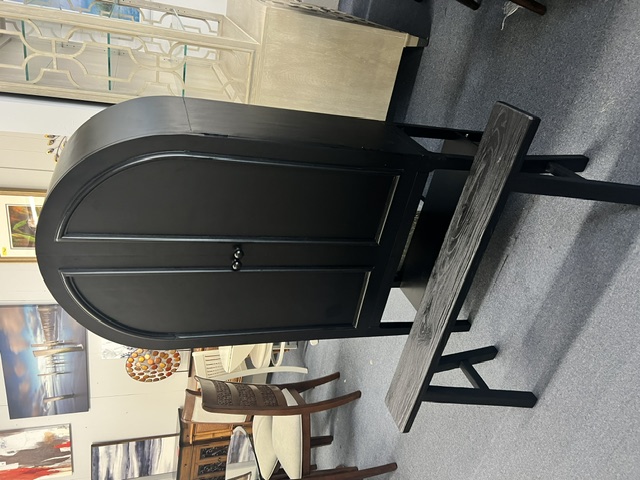
Walking into a used furniture showroom can be overwhelming. With hundreds of pieces in a variety of styles, conditions, and price points, how do you separate the treasures from the traps? After more than six decades in the business, the team at Iverson's Quality Used Furniture has developed an eye for quality — and they're happy to share what they've learned.
The truth is, buying used furniture is one of the smartest investments you can make for your home. You get quality construction, established brand names, and significant savings — if you know what to look for. Here's a guide from the experts who've been doing it since 1957.
Start with Construction
The single most important factor in furniture quality is how it's built. Flip a chair over and look at the joints. Are they dovetailed, mortise-and-tenon, or simply glued and stapled? Dovetailed and mortise-and-tenon joints are hallmarks of quality construction that will last for decades. Staples and glue? That's mass production, and it won't hold up.
If you can see the craftsmanship in the joints, you're looking at a piece worth buying.
For upholstered furniture, ask about the frame. Solid hardwood frames — kiln-dried oak, maple, or alder — are the gold standard. Check the springs: hand-tied coil springs are superior to sinuous wire, and both are better than webbing. Press down on the seat — it should feel firm and supportive, not saggy.
Know Your Woods
Solid wood is almost always preferable to veneer over particleboard — but veneer over solid wood is a different story. High-quality veneers have been used in fine furniture for centuries and can be perfectly durable. The key is what's underneath. Knock on the piece — solid wood has a deep, resonant sound. Particleboard sounds flat and hollow.
Look for recognizable wood species: walnut, cherry, mahogany, oak, and maple are all signs of quality. These woods develop a beautiful patina over time and can be refinished if needed. Avoid pieces that feel light for their size — that's a sign of hollow construction or cheap materials.
Check the Brand
Brand names matter in used furniture. Makers like Ethan Allen, Thomasville, Lexington, Stanley, Baker, Henredon, and Drexel built their reputations on quality construction and materials. When you see these names on a used piece, you know it was built to last. At Iverson's, the staff can tell you the maker of virtually every piece in the showroom — and what to expect from each brand.
What to Avoid
Steer clear of pieces with water damage (swollen or warped wood), structural cracks in frames, or upholstery that's been stored in damp conditions. A musty smell is a red flag that's hard to remove. Minor scratches and wear, on the other hand, are nothing to worry about — they add character and can often be buffed out or refinished.
Be cautious of pieces that have been painted over — sometimes a coat of paint is hiding damage or cheap construction. If you're unsure, ask. The Iverson's team inspects every piece before it hits the floor, so they can tell you exactly what you're getting.
The Iverson's Difference
Perhaps the biggest advantage of buying used furniture at Iverson's is that the screening has already been done for you. Every piece is inspected, every brand is identified, and every price reflects honest value. You don't have to be an expert — you just have to know what you like, and the team will help you find a quality piece that fits your home and your budget.
So come in, take your time, and don't be afraid to ask questions. That's what the Iverson's team is there for — and after 65 years, they've gotten pretty good at it.